
The Rise of Islamic Capital Markets
From equities to derivatives, Islamic capital markets are expanding faster than ever. We’re breaking down market performance, growth drivers, and what makes Malaysia’s exchange a key player in this evolution.

What’s Driving This Growth?
Islamic capital markets aren’t just a niche anymore. They’re reshaping global finance. In 2025, the worldwide Islamic finance industry hit $2.5 trillion in assets. That’s real growth from real investors who want Shariah-compliant options.
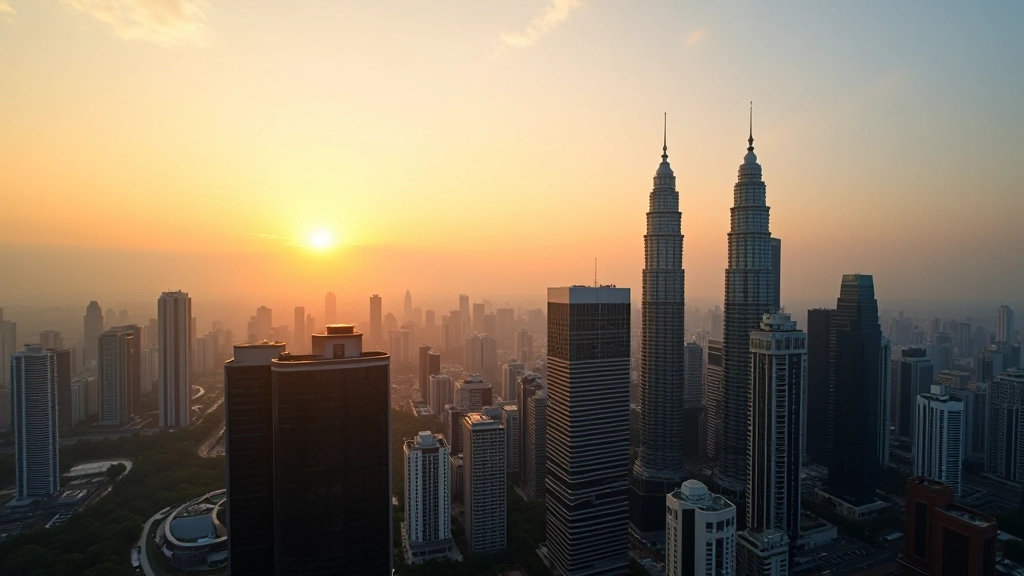
Malaysia’s playing a central role here. The Bursa Malaysia Islamic Index has grown steadily over the past decade. Sukuk issuances keep hitting new records. And the country’s regulatory framework? It’s become a model that others actually copy.
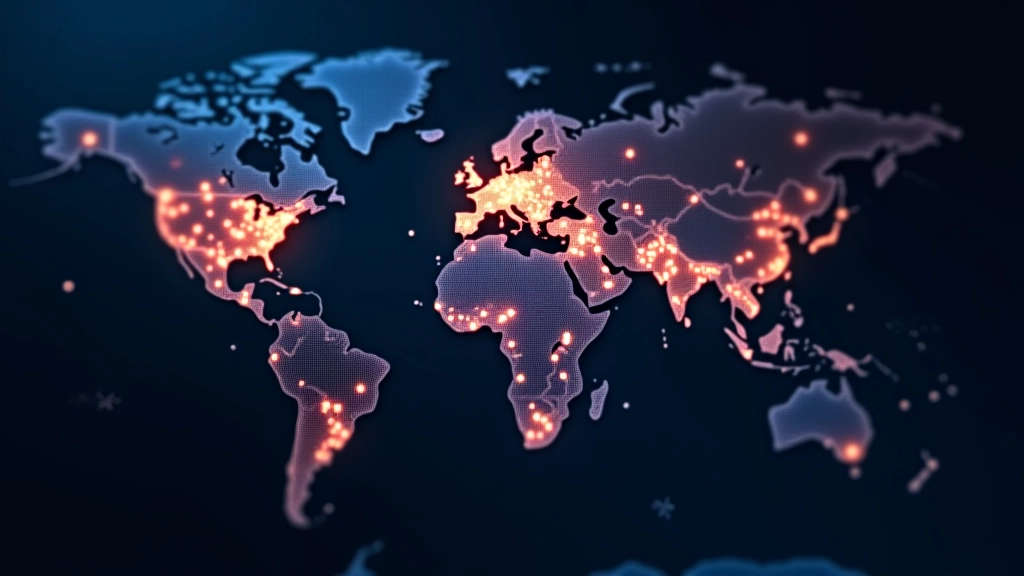
But it’s not just about Malaysia. We’re seeing Islamic capital market development across the GCC, Southeast Asia, and even Western markets now. Banks aren’t waiting around anymore — they’re building dedicated Islamic divisions because the demand is real.


How Islamic Capital Markets Actually Work
Islamic capital markets operate on the same core principle as Islamic banking: no interest. Instead, you’ve got profit-sharing, asset-backed structures, and compliance with Shariah principles. That’s not a limitation — it’s actually forcing more transparency and real value creation.
The main products you’ll find are sukuk (Islamic bonds), Islamic equities, and increasingly, Islamic derivatives. Sukuk, specifically, have become the workhorse of Islamic capital markets. They’re issued by governments and corporations alike. Malaysia’s sukuk market alone exceeded $400 billion in outstanding issuances by 2025.
Key Market Instruments
- Sukuk: Asset-backed securities following Shariah principles
- Islamic Equities: Stocks of Shariah-compliant companies
- Islamic Derivatives: Futures and options on Islamic indices
- Islamic Funds: Mutual and investment funds with Shariah screening
Malaysia’s Market Performance & Position
Malaysia’s been building this infrastructure since the 1980s. It’s not overnight success — it’s sustained commitment. The Bursa Malaysia now has over 900 Shariah-compliant listed companies. That’s not just volume, that’s depth and liquidity.
Sukuk issuances from Malaysia hit $46 billion in 2024 alone. You’ll see government bonds, corporate issuances, and increasingly, green sukuk for sustainability projects. The Bank Negara Malaysia’s been actively promoting Islamic finance integration, and you can see it in the numbers.
“Islamic capital markets aren’t competing with conventional markets — they’re expanding the total market. More options, more liquidity, more capital flowing into productive assets.”

What’s Actually Driving This Expansion
It’s not just regulatory support or religious preference. There are concrete economic factors pushing Islamic capital markets forward:
01
Demographic Demand
Over 1.8 billion Muslims globally. Many actively seek Shariah-compliant investment options. That’s a massive addressable market that’s been historically underserved.
02
Institutional Integration
Pension funds, sovereign wealth funds, and major asset managers aren’t just dabbling anymore. They’re allocating real capital to Islamic asset classes for diversification.
03
Regulatory Clarity
Malaysia’s regulatory framework is mature and transparent. International standards bodies like AAOIFI have created consistency. That reduces friction for cross-border transactions.
04
ESG Alignment
Islamic finance principles align naturally with ESG concerns. No interest, asset-backing, ethical screening — it’s inherently more sustainable-focused than conventional finance.
What’s Next for Islamic Capital Markets
The trajectory is clear. Islamic capital markets will continue maturing. We’re already seeing development in Islamic insurance (takaful), Islamic REITs, and Islamic commodities trading. These weren’t mainstream five years ago.
Technology’s playing a role too. Blockchain and digital assets are opening new possibilities. You’re seeing tokenized sukuk, digital settlement systems, and fintech solutions specifically built for Islamic finance. Malaysia’s positioning itself at the forefront of this digital shift.
The real story isn’t just about growth numbers. It’s about integration. Islamic capital markets are becoming a standard part of the global financial ecosystem. That shift — from niche to mainstream — is what’s truly significant here.

Understanding the Shift
Islamic capital markets represent something important: a parallel financial system that’s growing, maturing, and integrating into global markets. It’s not replacing conventional finance. It’s expanding the ecosystem. For investors, policymakers, and financial institutions, that’s a significant shift worth paying attention to. Malaysia’s leading this charge with concrete infrastructure, clear regulations, and sustained commitment to development.
Explore More Islamic Finance TopicsInformational Disclaimer
This article is provided for educational and informational purposes only. It’s not financial advice, investment guidance, or a recommendation to buy or sell any specific securities or assets. Islamic capital markets are complex, and regulations vary significantly across jurisdictions. If you’re considering investing in Islamic financial instruments, consult with qualified financial advisors, tax professionals, and Shariah scholars to understand the specific risks and implications relevant to your situation. Market conditions, regulatory frameworks, and available products change regularly. The information presented reflects conditions as of March 2026 and may not reflect current developments.