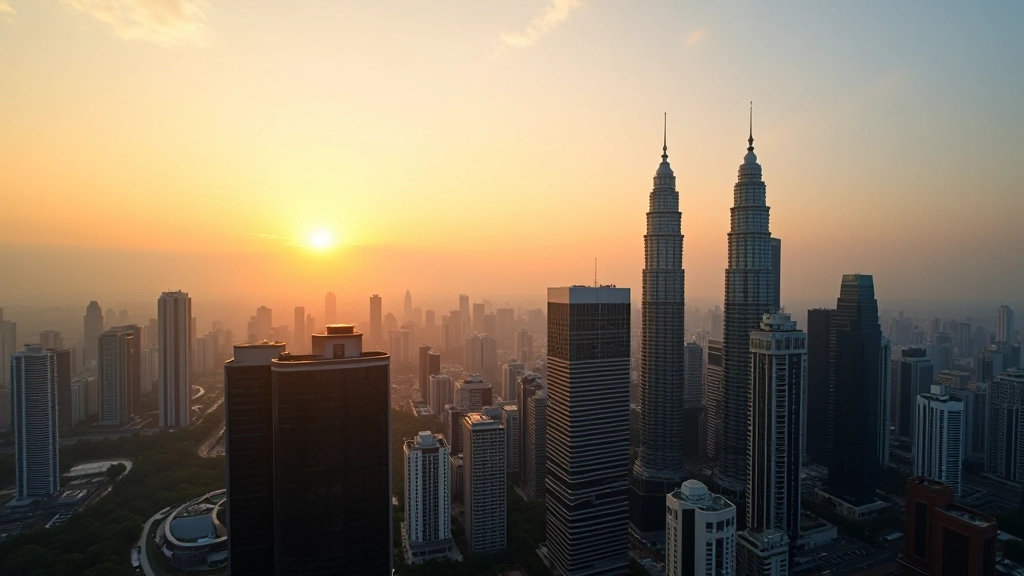

Shariah-Compliant Banking in Malaysia
Malaysia’s banking sector isn’t just adopting Islamic finance—it’s leading the charge. Discover how Shariah-compliant banking operates and why it’s reshaping the financial landscape.
Read ArticleLearn how sukuk differs from conventional bonds, why they’re structured around Shariah principles, and why investors worldwide are paying attention to this growing market.

You’ve probably heard about bonds before—they’re essentially IOUs where investors lend money and get paid back with interest. But here’s the thing: sukuk don’t work that way. They’re structured completely differently because they can’t involve interest (riba in Islamic finance). Instead, sukuk represent ownership or participation in underlying assets.
Think of it like this. When you buy a conventional bond, you’re essentially lending money to a government or corporation. With sukuk, you’re owning a piece of actual assets—real estate, equipment, business ventures. The returns come from those assets performing well, not from interest payments. This fundamental difference isn’t just semantic; it reshapes how the entire financial instrument functions.


The mechanics are more intricate than conventional bonds, but they’re actually quite elegant once you understand them. When a government or company issues sukuk, they typically create a special purpose vehicle (SPV)—essentially a separate legal entity that buys specific assets. The sukuk holders then own certificates representing their share of those assets.
Let’s say Malaysia’s government wants to raise funds through sukuk. They might sell certificates that represent ownership in real property or infrastructure projects. As those assets generate income—through rental payments, service fees, or business profits—that money flows back to the sukuk holders. It’s not interest; it’s profit-sharing from actual economic activity. This is why sukuk appeal to investors who want Shariah compliance without sacrificing returns.
Different types exist too. Murabaha sukuk are asset-backed arrangements. Musharaka sukuk involve genuine partnership. Ijara sukuk work like leasing arrangements. Each structure follows different Shariah principles, giving issuers flexibility in how they raise capital while maintaining Islamic compliance.
The sukuk market isn’t niche anymore. We’re talking about a global market worth hundreds of billions of dollars. Malaysia alone accounts for roughly 40% of the global sukuk market—that’s not a coincidence. The country’s commitment to developing Islamic finance infrastructure has made it the undisputed hub.
Key Market Insight: The Islamic capital market in Malaysia has grown at double-digit rates over the past decade, with sukuk issuances becoming increasingly popular among both Islamic and conventional investors seeking diversification.
What’s driving this growth? Several factors converge. First, there’s genuine demand. Over 1.8 billion Muslims globally represent a massive pool of investors seeking Shariah-compliant investments. Second, non-Muslim investors increasingly see sukuk as attractive alternatives to conventional bonds—especially in volatile markets. They offer asset backing that conventional bonds don’t have. Third, governments and corporations recognize sukuk as legitimate fundraising tools. It’s no longer experimental; it’s mainstream finance.

Understanding how they stack up in practical terms
Sukuk: Backed by real assets (property, equipment, business ventures)
Bonds: Backed by issuer’s credit and promise to repay
Sukuk: Returns from asset performance and profit-sharing
Bonds: Fixed or variable interest payments
Sukuk: Partial ownership in underlying assets
Bonds: Creditor status only
Sukuk: Fully Shariah-compliant
Bonds: No religious requirement
Sukuk: Growing secondary markets, still developing
Bonds: Highly liquid, mature markets
Sukuk: Asset-linked risk, performance dependent
Bonds: Credit risk of issuer

Malaysia didn’t become the world’s largest sukuk market by accident. The country built an entire ecosystem specifically designed to support Islamic finance. Bank Negara Malaysia (the central bank) implemented comprehensive regulatory frameworks. The Securities Commission created listing requirements tailored for sukuk. Tax incentives make issuing sukuk attractive compared to conventional bonds.
But regulation alone doesn’t explain it. Malaysia invested heavily in human capital. Universities offer Islamic finance degrees. Training programs develop expertise in sukuk structuring. The country positioned itself as a knowledge hub, not just a marketplace. When international investors want sukuk exposure, they look to Malaysia because the infrastructure—both regulatory and intellectual—is unmatched.
The numbers tell the story. Malaysia’s Islamic banking sector now represents over 40% of the country’s total banking assets. The Islamic capital market continues expanding. Government sukuk issuances are regular occurrences, providing benchmark instruments that help price the broader market. This isn’t a bubble; it’s a fundamental shift in how capital flows through the Malaysian economy and increasingly, how it flows globally.
Beyond religious compliance, there’s solid financial reasoning
When you own sukuk, you’re not just trusting an issuer’s balance sheet. You own claims on real assets. If something goes wrong, sukuk holders often have priority claims on those assets. This tangible backing appeals to conservative investors who want more than a promise to repay.
The sukuk market’s growth means better diversification opportunities. You can access real estate, infrastructure, and business ventures through sukuk structures. These asset classes might otherwise be difficult for individual investors to access directly.
Sukuk returns aren’t capped at a fixed interest rate. If the underlying assets perform exceptionally well, sukuk holders benefit from that outperformance. This profit-sharing model offers potential returns that conventional bonds simply can’t match in strong economic environments.

Sukuk aren’t a niche Islamic finance product anymore. They’re a legitimate, growing asset class that appeals to investors worldwide—Muslim and non-Muslim alike. The fundamentals are solid: asset backing provides security, profit-sharing aligns incentives, and Shariah compliance opens entirely new investor pools.
Malaysia’s role in this transformation can’t be overstated. By building world-class regulatory infrastructure, developing expertise, and consistently issuing sukuk, the country has created a self-reinforcing ecosystem. Investors come because the market is liquid and well-developed. Issuers come because they know how to structure and sell sukuk efficiently. This virtuous cycle continues expanding.
Whether you’re looking for religiously compliant investments, seeking diversification beyond conventional bonds, or interested in how Islamic finance is reshaping global capital markets, understanding sukuk is essential. They’re not going away. If anything, their influence on how we think about bonds, asset-backed securities, and profit-sharing arrangements will only grow.
This article is for educational purposes only and provides general information about sukuk and Islamic finance. It’s not financial advice, investment guidance, or a recommendation to buy or sell any securities. Sukuk investments carry risks including market risk, credit risk, and liquidity risk. Before investing in sukuk or any financial instrument, consult with qualified financial advisors who understand your specific circumstances and objectives. Past performance doesn’t guarantee future results. Market conditions, regulatory changes, and economic factors can significantly impact sukuk valuations and returns.